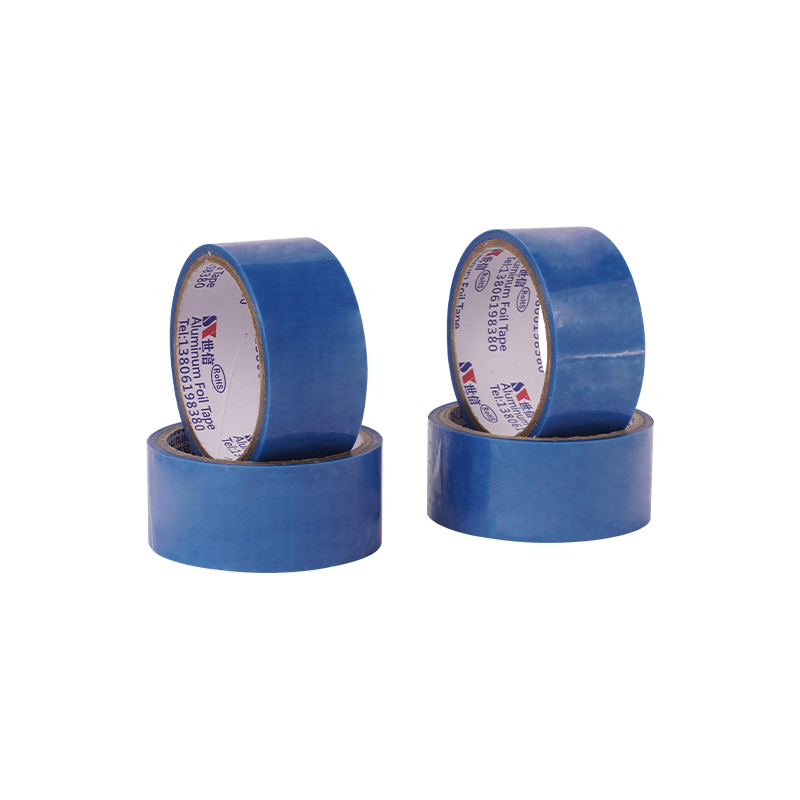
Moderne elektriske og elektroniske systemer opererer i stadig mer krevende miljøer hvor kabler utsettes for høye temperaturer, elektrisk belastning, mekanisk vibrasjon og potensiell brannfare. I applikasjoner som industrielt utstyr, ledningssystemer for biler, batteripakker og kraftfordelingsenheter, har kabelbeskyttelse blitt en kritisk faktor for å sikre både sikkerhet og langsiktig pålitelighet.
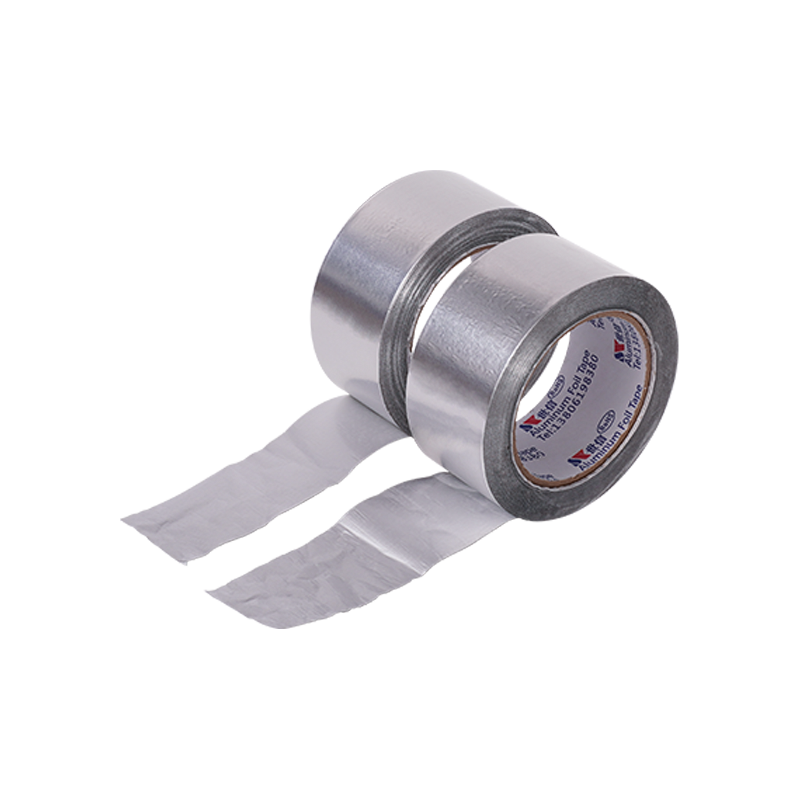
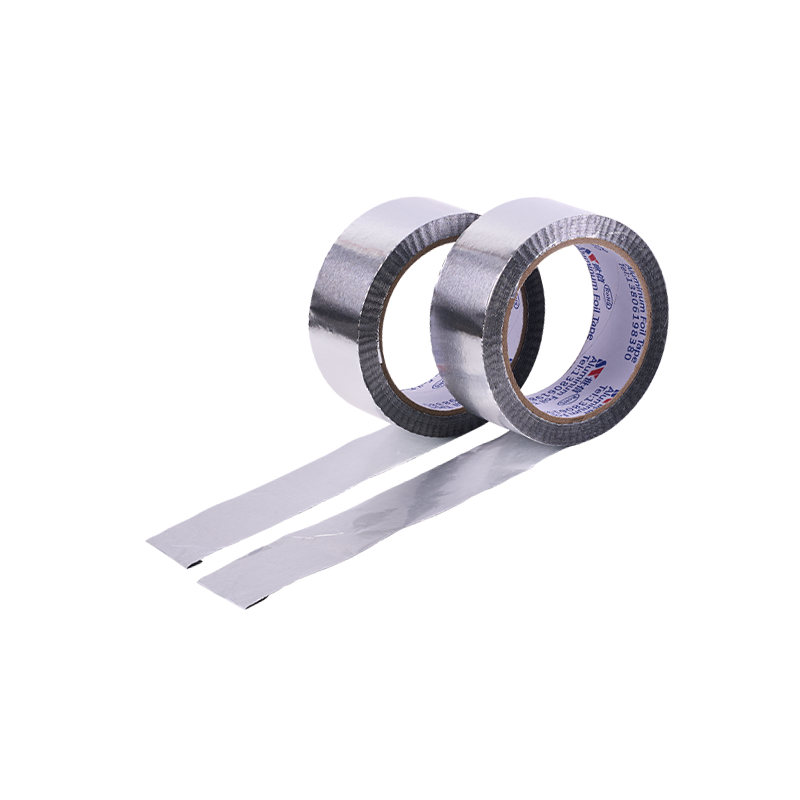
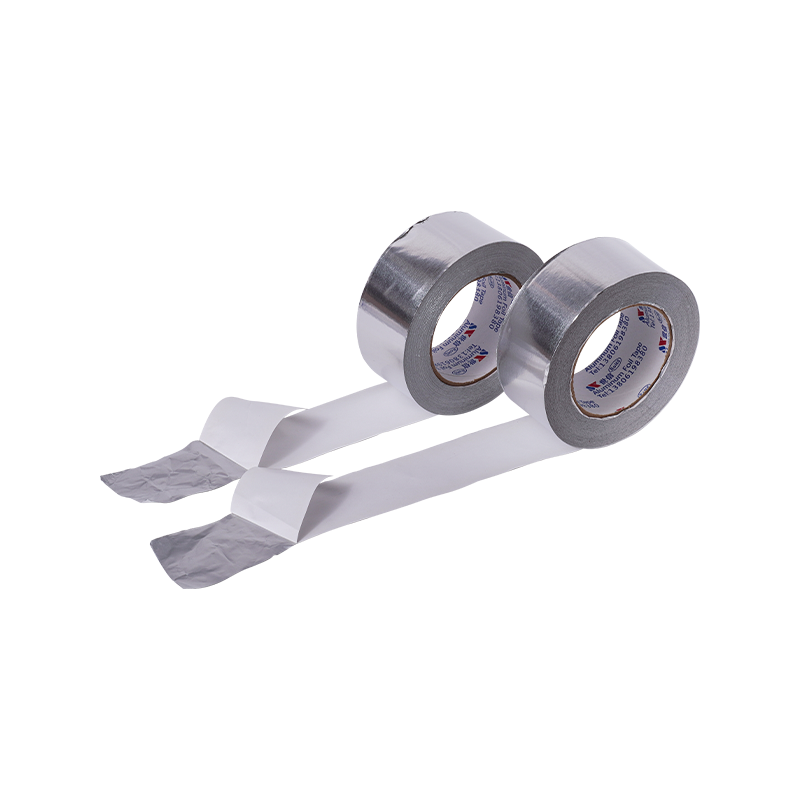
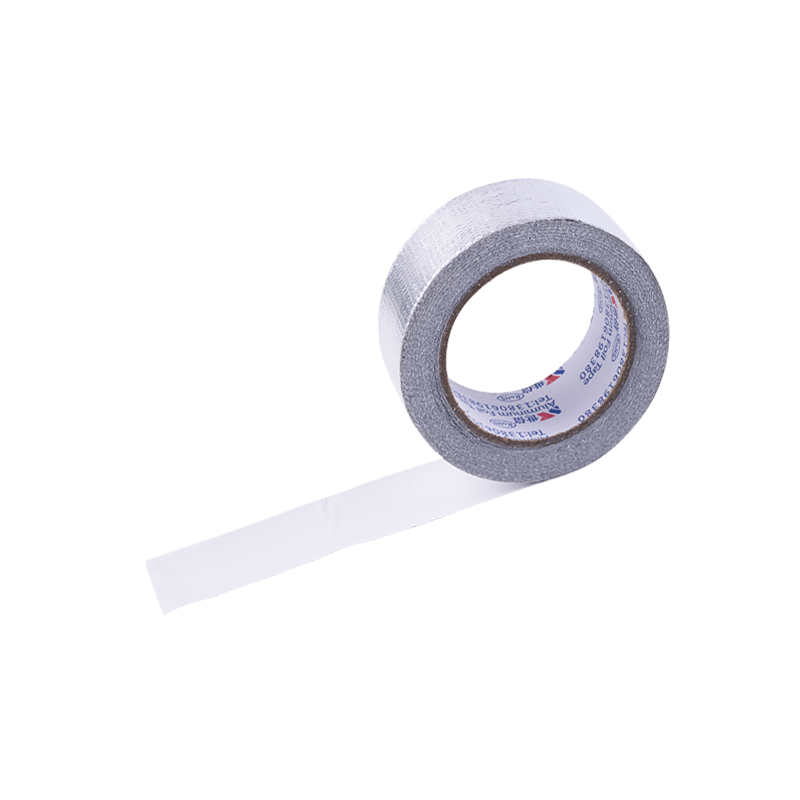
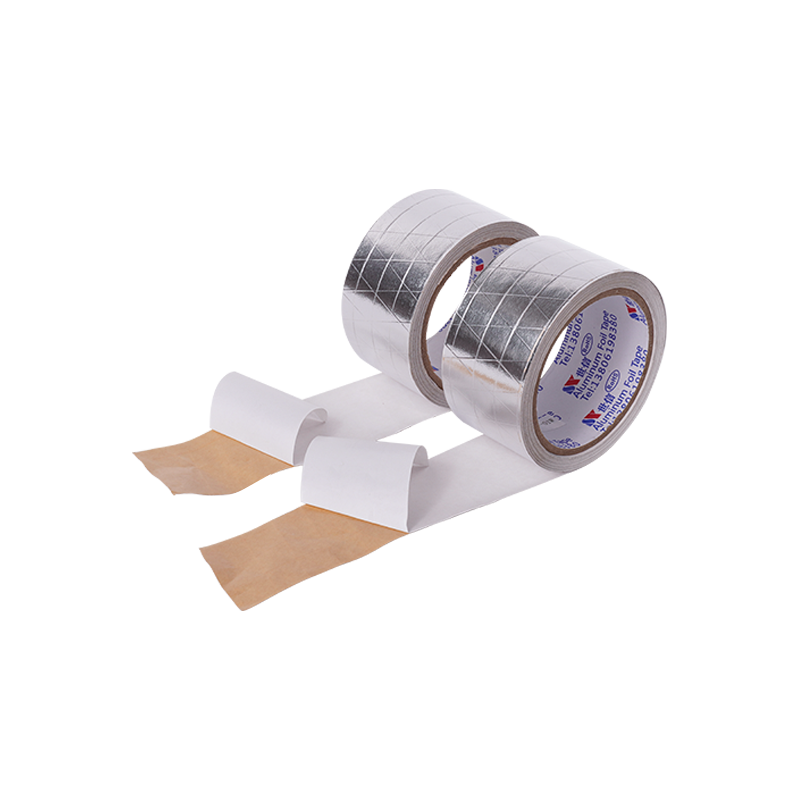
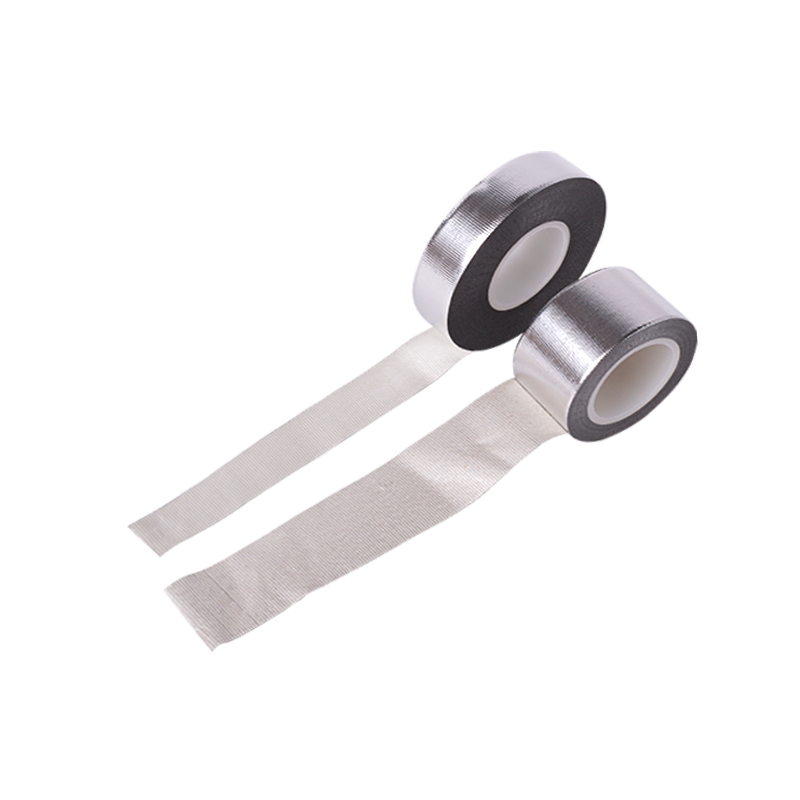
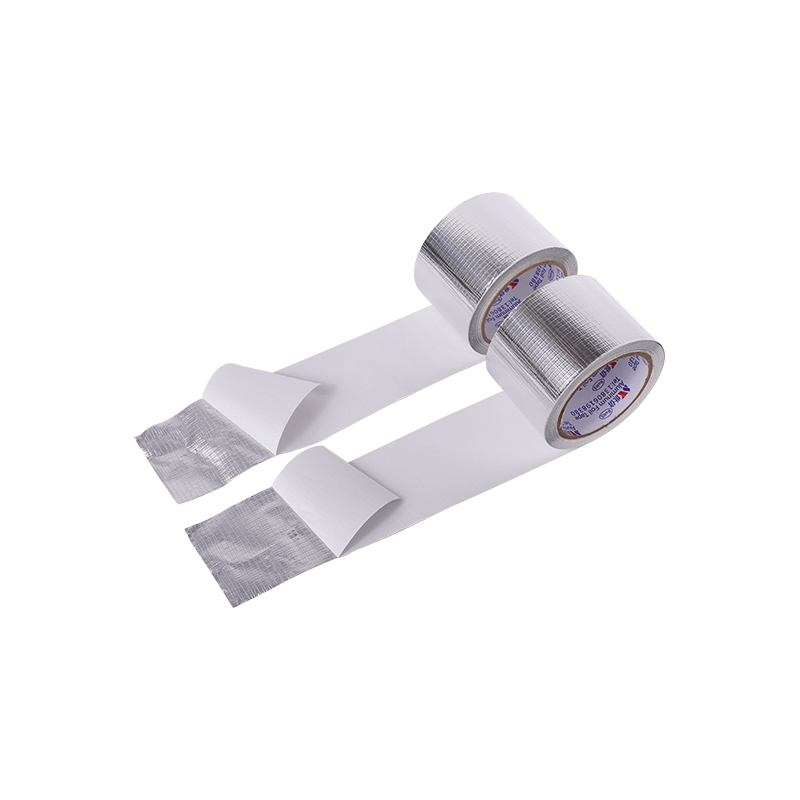
Høyytelses folietape gir en effektiv løsning ved å kombinere flammeskjerming, termisk beskyttelse og mekanisk forsterkning. Metallfoliekonstruksjonen hjelper til med å reflektere varme, mens det klebende laget tillater sikker pakking rundt kabelbunter, seler og elektriske komponenter.
Elektriske kabler genererer varme under drift. Overbelastede kretser, høye omgivelsestemperaturer eller utstyrsfeil kan øke termisk stress ytterligere. Hvis kabelisolasjonen blir skadet, kan risikoen for kortslutning, overoppheting eller brannutbredelse øke betydelig.
I mange industrielle miljøer må kabelbeskyttelsesmaterialer tåle kontinuerlig varmeeksponering samtidig som de opprettholder sine mekaniske og elektriske egenskaper.
Konvensjonelle kabelkapper gir grunnleggende isolasjon, men langvarig eksponering for varme, slitasje og miljøforhold kan gradvis redusere effektiviteten. Ytterligere beskyttelseslag er ofte nødvendig for å forbedre sikkerheten og forlenge levetiden.
| Miljøfaktor | Potensiell effekt på kabler |
| Høy temperatur | Isolasjonsaldring |
| Eksponering for åpen flamme | Isolasjonsskader |
| Mekanisk vibrasjon | Overflateslitasje |
| Fuktighetseksponering | Redusert isolasjonsytelse |
| Kjemisk forurensning | Materialnedbrytning |
Generelle innpakningsmaterialer har ofte begrenset motstand mot varme og flamme. Under høye temperaturer kan noen materialer mykne, krympe, miste vedheft eller bli sprø over tid.
Disse begrensningene kan føre til økte vedlikeholdskrav og redusert systempålitelighet.
Det metalliske folielaget fungerer som en beskyttende barriere som hjelper til med å reflektere strålevarme og redusere termisk overføring til underliggende kabler. I tillegg kan riktig utformede foliekonstruksjoner bidra til å bremse varmepenetrering og begrense spredningen av lokalisert termisk skade.
| Beskyttelsesfunksjon | Fordel |
| Varmerefleksjon | Lavere kabeloverflatetemperatur |
| Termisk skjerming | Redusert varmeeksponering |
| Flammemotstand | Forbedret sikkerhetsytelse |
| Mekanisk beskyttelse | Redusert overflateskader |
Pålitelig kabelbeskyttelse bidrar direkte til stabiliteten og sikkerheten til elektriske systemer. Ved å redusere termisk stress og beskytte isolasjonsmaterialer, bidrar folietape til å opprettholde kabelytelsen under krevende driftsforhold.
| Ytelseseiendom | Typisk rekkevidde |
| Driftstemperatur | -40°C til 150°C |
| Kortvarig varmebestandighet | 180°C til 250°C |
| Total tykkelse | 60–150 μm |
| Vedheftsstyrke | 8–20 N/25 mm |
| Strekkstyrke | 40–90 N/25 mm |
Etter hvert som elektriske systemer blir mer kompakte og opererer under høyere effekttettheter, blir effektiv flammeskjerming og kabelbeskyttelse stadig viktigere. Høyytelses folietape gir en praktisk løsning for å forbedre termisk beskyttelse, øke sikkerheten og støtte langsiktig kabelpålitelighet på tvers av et bredt spekter av industrielle og elektriske applikasjoner.
Effektiviteten til høyytelses folietape i flammeskjerming og kabelinnpakning avhenger av flere kritiske materialegenskaper. Siden kabler ofte opererer i miljøer med høye temperaturer, elektrisk belastning, fuktighet, vibrasjoner og elektromagnetisk interferens, må båndet gi mer enn enkel mekanisk beskyttelse.
Varmebestandighet, flammeskjermingsevne, adhesjonsstyrke, skjermingseffektivitet og miljømessig holdbarhet bidrar alle til langsiktig ytelse. Å forstå disse egenskapene hjelper ingeniører og teknikere med å velge passende materialer for krevende elektriske og industrielle applikasjoner.
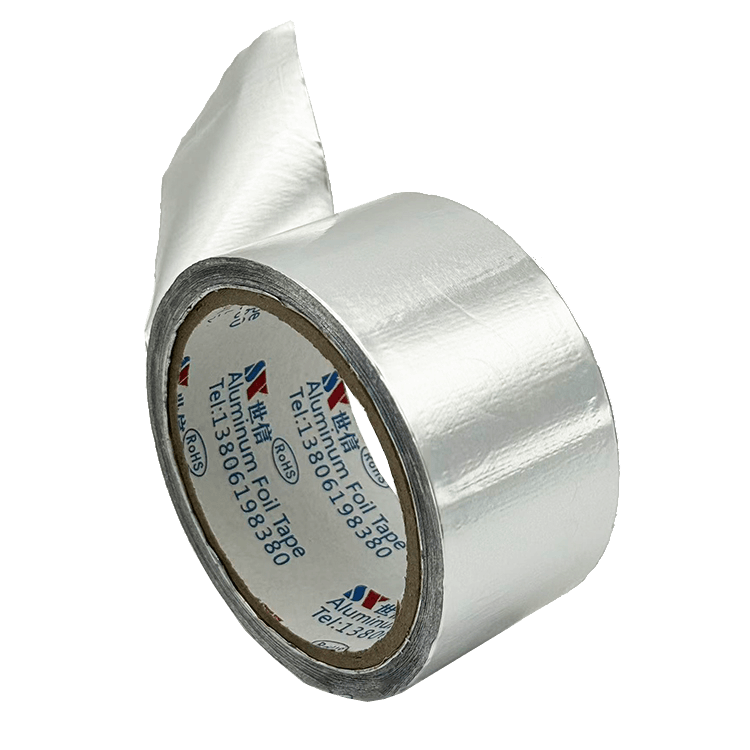
Varmebestandighet er en av de viktigste egenskapene til foliebånd som brukes til kabelbeskyttelse. Elektriske ledere genererer varme under drift, og eksterne varmekilder kan øke kabeltemperaturen ytterligere.
| Temperatureiendom | Typisk rekkevidde |
| Driftstemperatur | -40°C til 150°C |
| Kortsiktig eksponering | 180°C til 250°C |
| Termisk aldringsmotstand | Utmerket |
Stabil ytelse under gjentatte oppvarmings- og kjølesykluser er avgjørende for å opprettholde pålitelig kabelbeskyttelse.
Folietape kan tjene som en beskyttende barriere som bidrar til å redusere varmeoverføring og begrense lokal flammeeksponering. Det metalliske laget fungerer som et termisk skjold, og reduserer direkte varmepenetrasjon til kabelisolasjonen.
| Beskyttelsesfunksjon | Ytelsesfordel |
| Varmerefleksjon | Lavere overflatetemperatur |
| Termisk skjerming | Redusert isolasjonsbelastning |
| Flammemotstand | Forbedret sikkerhetsmargin |
Limsystemet avgjør om tapen forblir sikkert festet til kabelkapper, ledningsnett og beskyttende deksler gjennom utstyrets levetid.
| Adhesjonsegenskaper | Typisk verdi |
| Peel-vedheft | 8–20 N/25 mm |
| Innledende tack | God til utmerket |
| Holder makten | Høy |
Sterk vedheft er spesielt viktig i bil-, industri- og transportapplikasjoner der kontinuerlig vibrasjon er tilstede.
Mange foliebånd gir elektromagnetisk interferensskjerming fordi det ledende metalllaget bidrar til å redusere ekstern elektromagnetisk støy. Denne egenskapen er spesielt viktig for kommunikasjonskabler, kontrollsystemer og sensitivt elektronisk utstyr.
| Elektrisk eiendom | Typisk ytelse |
| Elektrisk ledningsevne | Høy |
| EMI-skjermingseffektivitet | 40–80 dB |
| Signalbeskyttelse | Utmerket |
Kabelinnpakningsmaterialer må tåle installasjonspåkjenninger og langvarig bevegelse. Tilstrekkelig strekkstyrke forhindrer riving, mens fleksibilitet gjør at tapen tilpasser seg uregelmessige kabelbunter.
| Mekanisk eiendom | Typisk verdi |
| Strekkstyrke | 40–90 N/25 mm |
| Forlengelse | 3 %–10 % |
| Konformbarhet | Bra |
Elektriske systemer kan fungere i fuktige, korrosive eller kjemisk aggressive miljøer. Miljømotstand bidrar til å opprettholde både limytelse og skjermingseffektivitet.
| Miljøfaktor | Motstandsnivå |
| Fuktighetsmotstand | Utmerket |
| Korrosjonsbestandighet | Høy |
| Kjemisk motstand | Bra |
| Aldringsmotstand | Utmerket |
Fuktbeskyttelse er spesielt viktig fordi vanninntrenging kan redusere isolasjonsytelsen og akselerere kabelnedbrytning.
| Eiendom | Typisk ytelse Range |
| Driftstemperatur | -40°C til 150°C |
| Kortvarig varmebestandighet | 180°C til 250°C |
| Vedheftsstyrke | 8–20 N/25 mm |
| Strekkstyrke | 40–90 N/25 mm |
| Total tykkelse | 60–150 μm |
| EMI-skjerming | 40–80 dB |
A høyytelses folietape kombinerer termisk motstand, flammeskjermingsevne, sterk vedheft, elektrisk skjerming og miljømessig holdbarhet. Ved å evaluere disse egenskapene sammen kan ingeniører velge passende materialer som forbedrer kabelsikkerheten, opprettholder systemets pålitelighet og støtter langsiktig ytelse i krevende driftsmiljøer.
Høyytelses folietape er mye brukt i elektriske og elektroniske systemer som krever termisk beskyttelse, flammeskjerming, elektromagnetisk interferenskontroll og miljømotstand. Ettersom moderne utstyr blir mer kompakt og opererer med høyere effekttettheter, utsettes kabelsammenstillinger for økende nivåer av varme, vibrasjoner og elektrisk stress.
På grunn av kombinasjonen av termisk skjerming, mekanisk beskyttelse og elektrisk ytelse, har folietape blitt et viktig materiale på tvers av bil-, industri-, energi-, transport- og elektroniske applikasjoner.
Moderne kjøretøy inneholder komplekse ledningsnettsystemer som opererer i nærheten av motorer, eksoskomponenter, batterisystemer og elektroniske kontrollenheter. Høye temperaturer og kontinuerlig vibrasjon skaper krevende forhold for kabelbeskyttelsesmaterialer.
| Automotive området | Primær funksjon |
| Motorrom | Varmeskjerming |
| Batterikabler | Termisk beskyttelse |
| Ledningssett | Slitasjemotstand |
| Elektroniske moduler | EMI-skjerming |
Industrianlegg utsetter ofte kabler for høye temperaturer, mekanisk bevegelse, oljeforurensning og kontinuerlig drift. Folietape bidrar til å opprettholde kabelytelsen i disse krevende miljøene.
Strømfordelingssystemer, motorer og styreskap bruker ofte ekstra kabelskjerming for å øke driftssikkerheten.
Signalkabler og kommunikasjonssystemer er svært følsomme for elektromagnetisk interferens. Ledende folielag bidrar til å redusere ekstern støy og opprettholde signalintegriteten.
| Kabeltype | Beskyttelseskrav |
| Kommunikasjonskabler | EMI-skjerming |
| Kontrollkabler | Signalbeskyttelse |
| Dataoverføringskabler | Støyreduksjon |
Batterisystemer genererer varme under lade- og utladingssykluser. Termisk styring og flammebeskyttelse har blitt stadig viktigere i energilagringsapplikasjoner.
| Bruksområde | Hovedfordel |
| Batterimoduler | Termisk beskyttelse |
| Strømtilkoblinger | Kabelisolasjonsbeskyttelse |
| Energilagringssystemer | Varmehåndtering |
Fly, jernbanetransport og andre avanserte transportsystemer krever lette materialer som gir både termisk beskyttelse og pålitelighet under tøffe driftsforhold.
Kombinasjonen av lav vekt og høy termisk ytelse gjør folietape egnet for mange transportapplikasjoner.
Elektroniske systemer inneholder ofte tettpakkede ledninger og varmegenererende komponenter. Folietape kan bidra til å forbedre både termisk styring og elektromagnetisk kompatibilitet.
| Utstyrstype | Typisk applikasjon |
| Styreskap | Kabelskjerming |
| Strømforsyninger | Termisk beskyttelse |
| Elektroniske sammenstillinger | EMI-reduksjon |
Visse industrielle og elektriske applikasjoner involverer kontinuerlig eksponering for høye temperaturer. Ytterligere termisk beskyttelse bidrar til å opprettholde kabelytelse og redusere isolasjonsforringelse.
| Driftstilstand | Nødvendig ytelse |
| Høy ambient temperature | Varmebestandighet |
| Eksponering for strålevarme | Termisk refleksjon |
| Mekanisk vibrasjon | Slitesterk vedheft |
| Elektrisk interferens | EMI-skjerming |
Fra ledningssystemer for biler til industrielt utstyr og avanserte elektroniske enheter, høyytelses folietape gir pålitelig flammeskjerming og kabelbeskyttelse. Dens evne til å kombinere termisk motstand, EMI-skjerming, mekanisk holdbarhet og miljøvern gjør den til et essensielt materiale for moderne kabelhåndtering og elektriske sikkerhetsapplikasjoner.
Moderne elektriske systemer er avhengige av stabil kabelytelse for å sikre sikker kraftoverføring, pålitelig signalkommunikasjon og lang levetid for utstyret. Overdreven varme, flammeeksponering, elektromagnetisk interferens, fuktighet og mekanisk stress kan gradvis skade kabelisolasjonen og redusere systemets pålitelighet. Høyytelses folietape hjelper til med å takle disse utfordringene ved å tilby termisk skjerming, miljøvern og elektrisk skjerming.
Ved å redusere termisk stress og beskytte kabelsammenstillinger mot eksterne faktorer, bidrar folietape direkte til sikrere drift og forbedret langsiktig ytelse.
Kabelisolasjonsmaterialer eldes gradvis når de utsettes for høye temperaturer. Kontinuerlig varmeeksponering kan forårsake herding, sprekker eller redusert dielektrisk ytelse. Det reflekterende folielaget bidrar til å minimere varmeoverføring og senke den termiske belastningen på kabeloverflater.
| Varmekilde | Potensiell kabelpåvirkning |
| Strømkomponenter | Isolasjonsaldring |
| Motorroms | Varmedegradering |
| Industrielt utstyr | Termisk stress |
| Batterisystemer | Temperaturøkning |
Lavere driftstemperaturer kan forbedre den langsiktige påliteligheten til elektriske isolasjonssystemer betydelig.
I høytemperaturmiljøer kan lokal overoppheting skade kabelisolasjonen og øke risikoen for flammespredning. Folietape fungerer som en beskyttende barriere som bremser varmepenetrasjon og hjelper til med å begrense termisk skade.
| Beskyttelsesfunksjon | Sikkerhetsfordeler |
| Termisk skjerming | Lavere varmeoverføring |
| Flammemotstand | Redusert brannfare |
| Varmerefleksjon | Forbedret kabelbeskyttelse |
Elektromagnetisk interferens kan påvirke signaloverføring og elektronisk utstyrs ytelse. Det ledende folielaget hjelper til med å skjerme sensitive kabler fra ekstern elektromagnetisk støy.
| Søknadstype | EMI-beskyttelsesfordeler |
| Kommunikasjonskabler | Signalintegritet |
| Kontrollsystemer | Støyreduksjon |
| Elektronisk utstyr | Stabil drift |
Effektiv EMI-skjerming blir stadig viktigere ettersom elektroniske systemer blir mer kompakte og tettere integrerte.
Fuktighet, støv, kjemikalier og korrosive miljøer kan gradvis skade kabelisolasjonen og redusere elektrisk ytelse. Folietape fungerer som en ekstra miljøbarriere.
| Miljøfaktor | Beskyttelseseffekt |
| Fuktighet | Fuktsperre |
| Etsende atmosfære | Overflatebeskyttelse |
| Støvforurensning | Forbedret renslighet |
| Kjemisk eksponering | Materialbeskyttelse |
Flere miljøfaktorer bidrar til kabelaldring. Ved å redusere varme, fuktighet, vibrasjoner og ytre skader, bidrar folietape til å opprettholde kabelytelsen over lengre driftsperioder.
| Pålitelighetsfaktor | Langsiktig fordel |
| Termisk beskyttelse | Lengre isolasjonslevetid |
| EMI-skjerming | Stabil signaloverføring |
| Fuktighetsbestandighet | Redusert nedbrytning |
| Mekanisk beskyttelse | Lavere vedlikeholdsbehov |
Pålitelige kabler er avgjørende for å opprettholde utstyrsytelsen, redusere nedetid og sikre driftssikkerhet. Folietape bidrar til systemets pålitelighet ved å beskytte kabelsammenstillinger mot flere kilder til feil.
| Ytelseseiendom | Systemfordel |
| Varmeskjerming | Lavere termisk stress |
| Flammebeskyttelse | Forbedret sikkerhet |
| EMI-skjerming | Signalstabilitet |
| Miljømotstand | Lengre levetid |
| Mekanisk holdbarhet | Større pålitelighet |
Ved å redusere varmeeksponering, begrense termisk skade, forbedre elektromagnetisk skjerming og beskytte mot miljøfaktorer, spiller høyytelses folietape en viktig rolle i moderne kabelbeskyttelsessystemer. Bidraget strekker seg utover enkle innpakningsapplikasjoner, og bidrar til å forbedre elektrisk sikkerhet, driftssikkerhet og langsiktig systemytelse.
Ytelsen til høyytelses folietape avhenger ikke bare av dens materialegenskaper, men også av riktig valg og installasjonspraksis. Selv en tape med utmerket termisk motstand og skjermingsevne kan svikte hvis den påføres feil eller brukes under uegnede driftsforhold.
Ingeniører og teknikere bør evaluere temperatureksponering, kabeldesign, miljøforhold og installasjonsmetoder for å oppnå pålitelig langsiktig ytelse.
Ulike kabelapplikasjoner krever forskjellige kombinasjoner av termisk motstand, vedheft, fleksibilitet og skjermingsytelse. Å velge riktig tapekonstruksjon bidrar til å sikre kompatibilitet med driftsmiljøet.
| Seleksjonsfaktor | Anbefalt vurdering |
| Driftstemperatur | Match kravene til termisk motstand. |
| Kabeldiameter | Velg passende fleksibilitet og bredde. |
| EMI beskyttelse | Vurder skjermingseffektivitet. |
| Miljøeksponering | Vurder fuktighet og kjemikaliebestandighet. |
| Mekanisk stress | Velg tilstrekkelig strekkstyrke. |
Det er viktig å forstå det faktiske servicemiljøet før du velger et kabelinnpakningsmateriale. Temperatur, vibrasjon, fuktighet og elektriske forhold kan alle påvirke langsiktig ytelse.
| Driftstilstand | Potensielt krav |
| Høy temperatur | Forbedret varmebestandighet |
| Kontinuerlig vibrasjon | Sterk vedheft |
| Høy humidity | Fuktighetsbestandighet |
| Elektroniske systemer | EMI-skjerming capability |
Riktig evaluering av driftsforholdene reduserer risikoen for for tidlig feil og forbedrer systemets pålitelighet.
Overflateforberedelse har en direkte innvirkning på limytelsen. Forurensninger kan forhindre riktig liming og redusere levetiden til tapen.
Rene overflater gjør at limet oppnår maksimal kontakt og forbedrer langsiktig bindingsstabilitet.
Korrekte innpakningsmetoder bidrar til å sikre konsistent beskyttelse og forhindrer lokale svakheter i kabelenheten.
| Installasjonspraksis | Forventet nytte |
| Ensartet spenning | Konsekvent beskyttelse |
| Glatt påføring | Forbedret vedheft |
| Fast trykk | Bedre bindestyrke |
| Kontrollert overlapping | Kontinuerlig skjerming |
Riktig overlapping sikrer fullstendig dekning og bidrar til å opprettholde termisk og elektromagnetisk skjermingsytelse.
| Søknadstype | Typisk overlapping |
| Generell kabelbeskyttelse | 25 % til 50 % |
| EMI-skjerming applications | 50 % |
| Høy-temperature protection | 50 % to 75% |
| Kritiske kabelsammenstillinger | Flere lag om nødvendig |
Den riktige overlappingen avhenger av det nødvendige beskyttelsesnivået og driftsmiljøet.
Mange kabelbeskyttelsesfeil er forårsaket av feil installasjon i stedet for materialbegrensninger.
Å unngå disse feilene kan forbedre både sikkerheten og den langsiktige ytelsen betydelig.
Riktige lagringsforhold bidrar til å bevare limytelsen og opprettholde materialkvaliteten før installasjon.
| Lagringstilstand | Anbefaling |
| Lagringstemperatur | 15°C til 30°C |
| Fuktighet Level | Tørt miljø |
| Eksponering for sollys | Unngå direkte sollys |
| Emballasje | Oppbevares i originalemballasje |
| Eiendom | Typisk rekkevidde |
| Driftstemperatur | -40°C til 150°C |
| Kortvarig varmebestandighet | 180°C til 250°C |
| Vedheftsstyrke | 8–20 N/25 mm |
| Strekkstyrke | 40–90 N/25 mm |
| EMI-skjermingseffektivitet | 40–80 dB |
| Total tykkelse | 60–150 μm |
Vellykket kabelbeskyttelse krever både riktig materialvalg og riktig installasjonspraksis. Ved å vurdere driftsforhold, forberede overflater riktig, bruke konsekvente innpakningsteknikker og følge vedlikeholdsanbefalinger, kan ingeniører maksimere de termiske, elektriske og mekaniske fordelene med høyytelses folietape.
Vårt selskap har vært engasjert i båndproduksjonsindustrien i mer enn 20 år, og har fokusert på forskjellige Typer aluminiumsfoliebånd, skumbånd, kjøleskapsbånd, etc.
Telefon: +86-159-5136-0053
+86-136-6515-8108
WhatsApp +86-159-5136-0053
Adresse: Nr. 1, Yedong Road, vest for Yingbin Avenue, Economic Development Zone, Suqian City, Jiangsu -provinsen, Kina
Miya Miao
E -post: [email protected]
Mobile/WhatsApp: 0086 19033791110
Copyright © Jiangsu Shixin Adhesive Tape Products Co., Ltd. All Rights Reserved. Tilpasset ODM -kjøleskap Folie limprodusenter