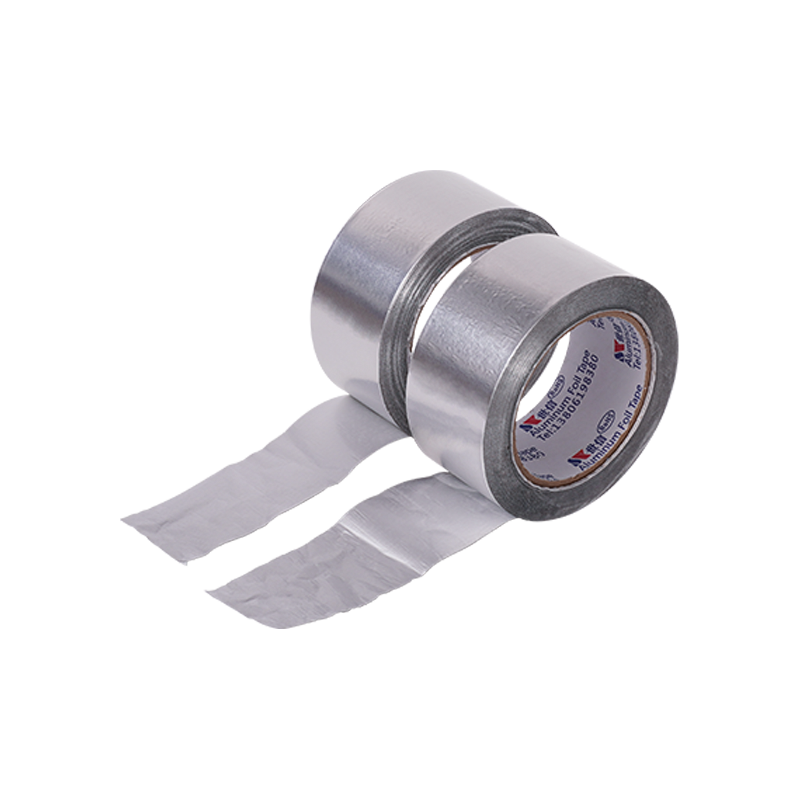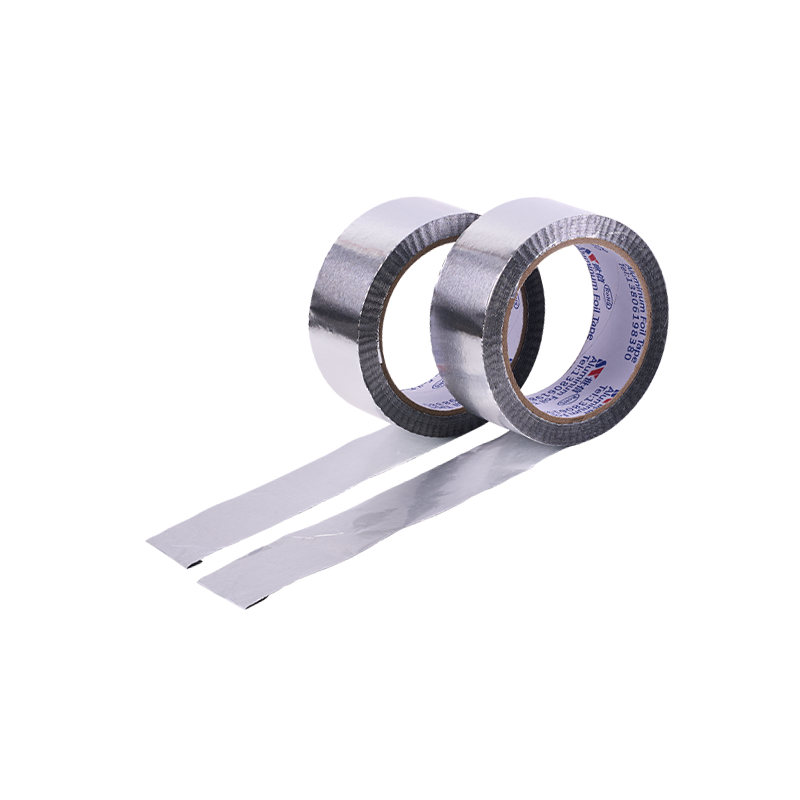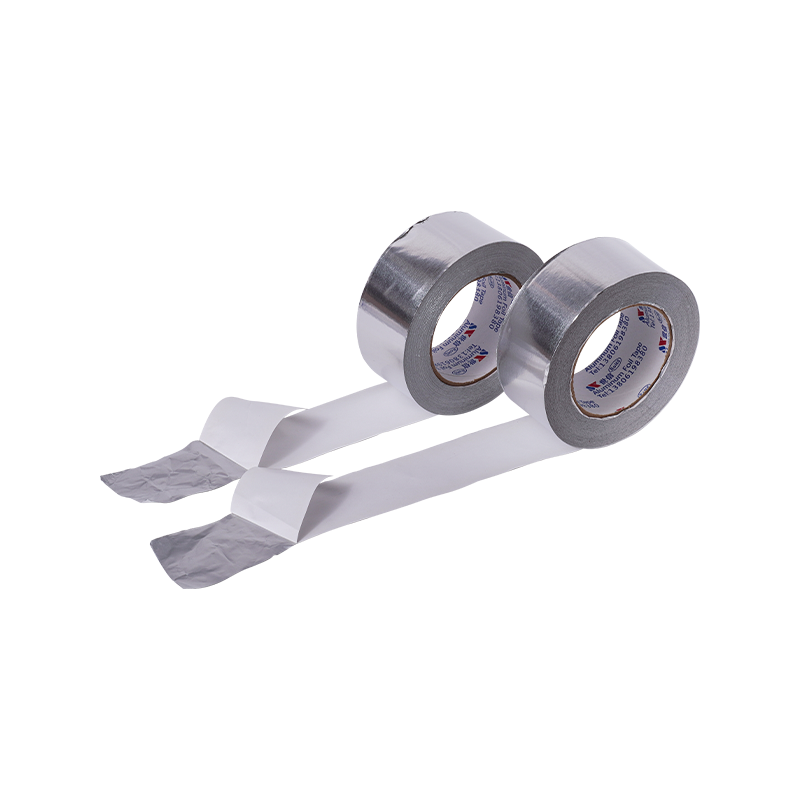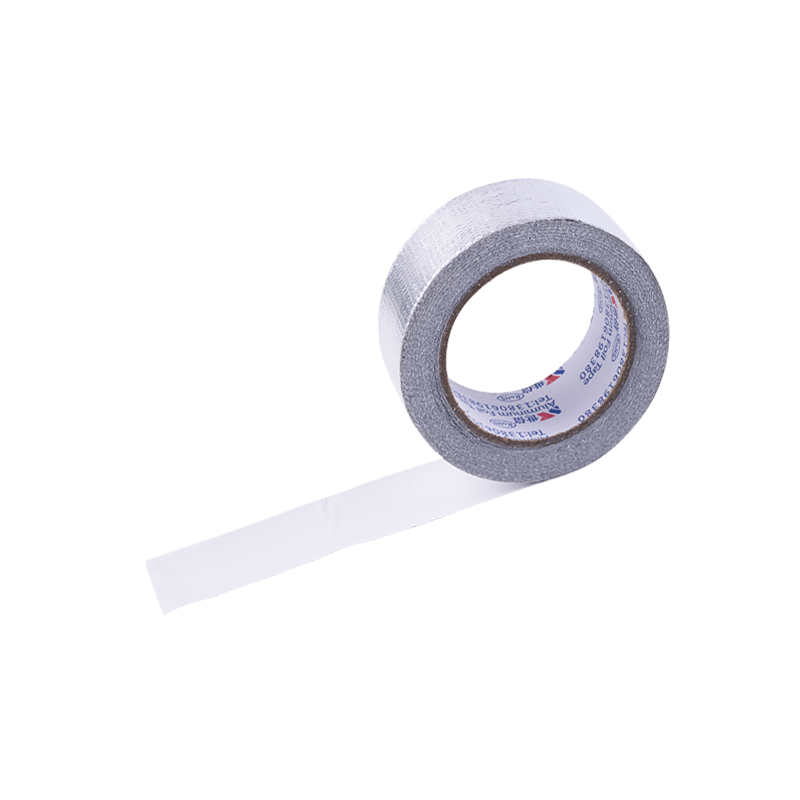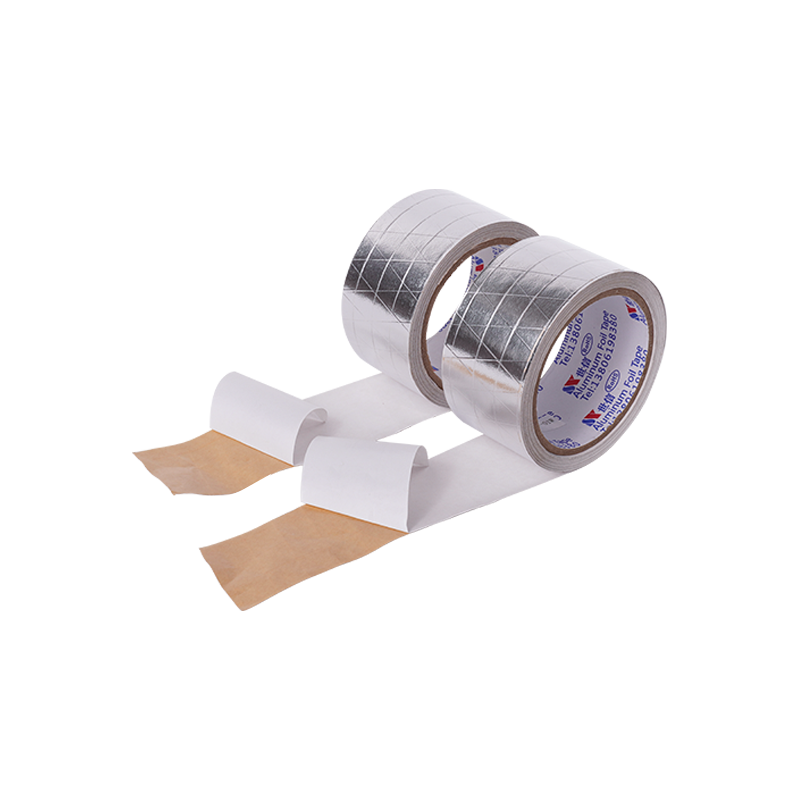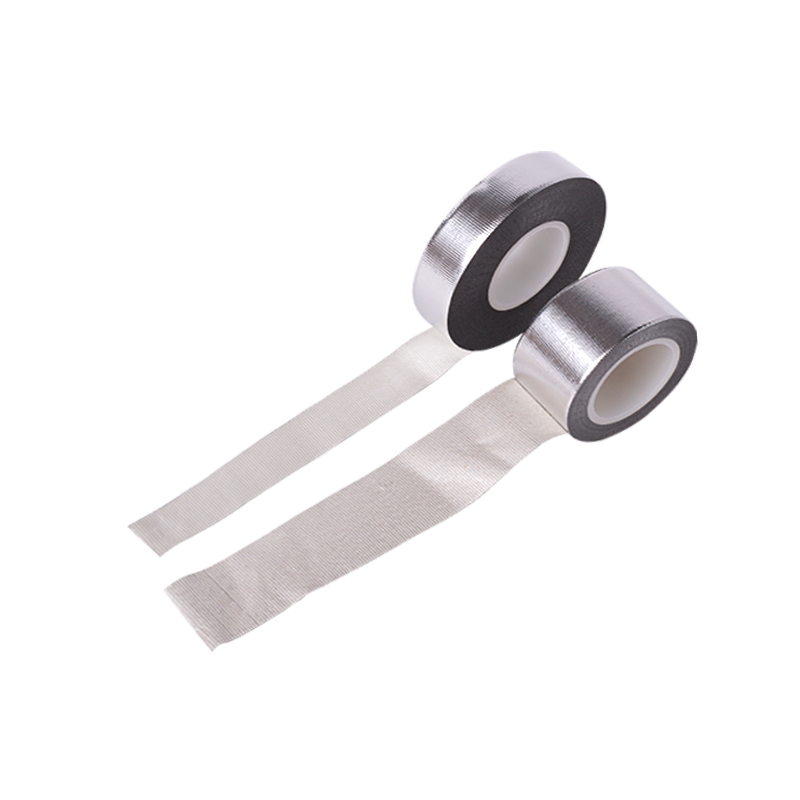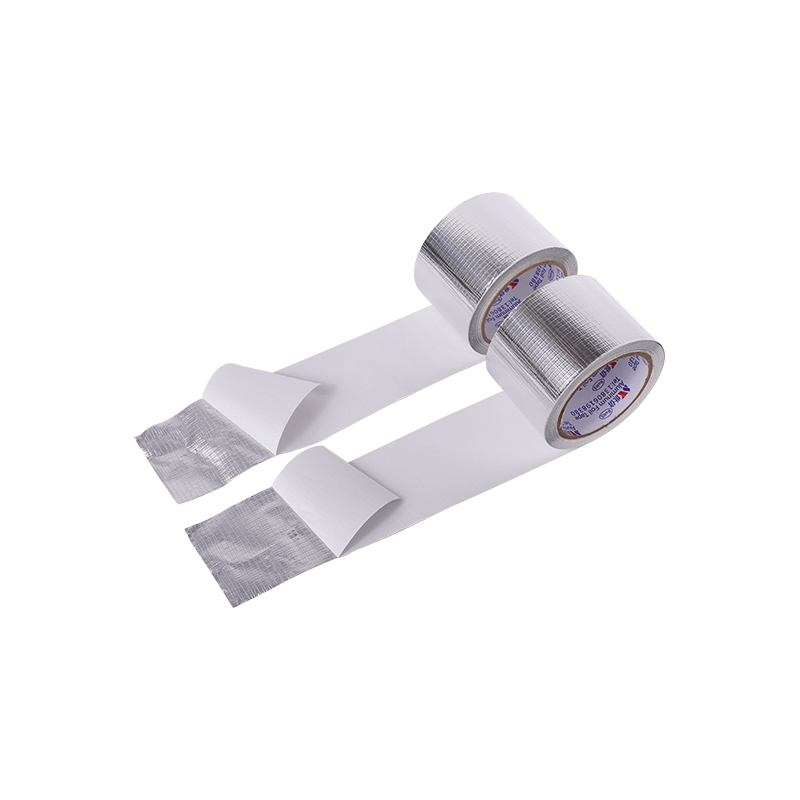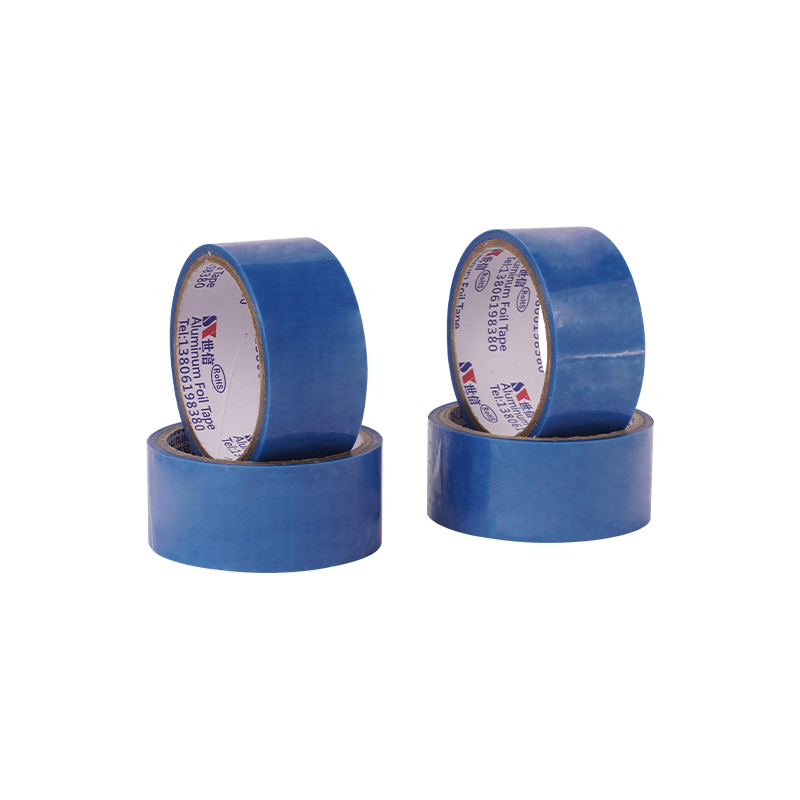
Enkeltsidig varmebestandig folietape spiller en kritisk rolle i moderne HVAC-vedlikehold fordi det kombinerer termisk motstand, tetningsytelse og langsiktig holdbarhet. HVAC-systemer fungerer under skiftende temperaturer, fuktighetseksponering og konstant luftstrøm, noe som gjør pålitelige tetningsmaterialer avgjørende.
Konvensjonelle taper opplever ofte at limet brytes ned når de utsettes for varme og fuktighet. Over tid kan underlagsmaterialet krympe, sprekke eller miste vedheft, noe som kan føre til gjentatte reparasjoner.
| Faktor | Konvensjonell tape | Folietape |
| Varmebestandighet | Lavt | Høy |
| Fuktighetsmotstand | Moderat | Utmerket |
| Levetid | Kort | Lang |
| Eiendom | Typisk verdi |
| Driftstemperatur | -20°C til 120°C |
| Kort-Term Resistance | 150°C til 180°C |
| Vedheftsstyrke | 8–18 N/25 mm |
Ved å gi pålitelig tetningsytelse under krevende driftsforhold, hjelper ensidig varmebestandig folietape HVAC-systemer med å opprettholde effektiviteten, redusere energitapet og forlenge levetiden.
Utførelsen av ensidig varmebestandig folietape avhenger av flere tekniske egenskaper som direkte påvirker dens tetningspålitelighet, levetid og egnethet for HVAC-reparasjonsapplikasjoner. Siden HVAC-systemer opplever kontinuerlige temperatursvingninger, fuktighetseksponering, luftstrømtrykk og vibrasjoner, kan valg av tape utelukkende basert på utseende eller tykkelse føre til for tidlig feil.
Å forstå de viktigste ytelsesfaktorene gjør at ingeniører, entreprenører og vedlikeholdsteknikere kan velge en tape som gir stabil langsiktig ytelse under krevende driftsforhold.
Temperaturmotstand er en av de viktigste egenskapene til HVAC-folietape. Limet må opprettholde bindestyrken under både oppvarmings- og avkjølingssykluser uten å mykne, sprekke eller miste vedheft.
| Temperatureiendom | Typisk rekkevidde |
| Påføringstemperatur | 5°C til 40°C |
| Driftstemperatur | -20°C til 120°C |
| Kort-Term Heat Resistance | 150°C til 180°C |
Adhesjonsstyrken bestemmer tapens evne til å forbli festet til metallkanaler, isolasjonsoverflater og HVAC-utstyrsoverflater. Sterk vedheft hindrer luftlekkasje og reduserer risikoen for kantløfting over tid.
| Adhesjonsegenskaper | Typisk verdi |
| Peel-vedheft | 8–18 N/25 mm |
| Holder makten | Høy |
| Innledende tack | God til utmerket |
VVS-systemer opplever ofte kondens og fuktighet. Fuktinntrengning kan skade isolasjonsmaterialer og redusere energieffektiviteten. Aluminiumsfolie fungerer som en effektiv dampsperre som bidrar til å forhindre vanndampoverføring.
God fuktmotstand er spesielt viktig i kjølekanaler, kjølesystemer og miljøer med høy luftfuktighet.
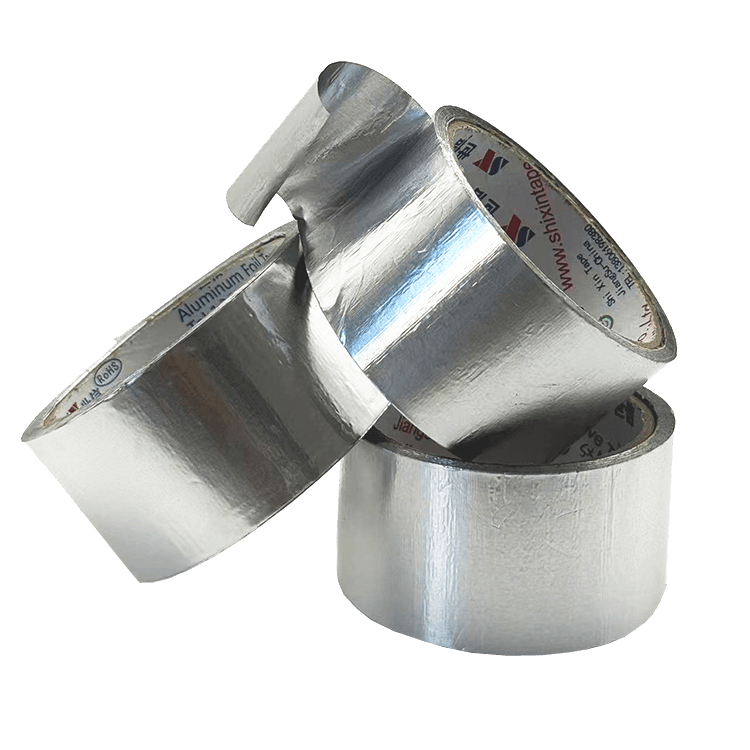
Folietape må tåle håndtering under installasjon samt langvarige mekaniske påkjenninger forårsaket av luftstrømvibrasjoner og kanalbevegelser. Høyere strekkstyrke bidrar til å forhindre riving og opprettholder tetningsintegriteten.
| Mekanisk eiendom | Typisk verdi |
| Strekkstyrke | 40–80 N/25 mm |
| Forlengelse | 3 %–8 % |
| Rivemotstand | Bra |
Tapetykkelsen påvirker holdbarhet, håndtering og forseglingsytelse. Tykkere konstruksjoner gir generelt større mekanisk styrke, mens tynnere tape kan tilpasse seg bedre til uregelmessige overflater.
| Total tykkelse | Typisk applikasjon |
| 70–90 μm | Lett forsegling |
| 90–120 μm | Generell VVS-reparasjon |
| 120–150 μm | Kraftige applikasjoner |
Langvarig eksponering for varme, oksygen, fuktighet og miljøforurensninger kan gradvis forringe limsystemer. Varmebestandige folietape er designet for å motstå aldring, og hjelper til med å opprettholde forseglingsegenskapene over lengre bruksperioder.
Når man vurderer varmebestandig folietape for HVAC-reparasjon, bør temperaturmotstand, vedheftsytelse, fuktbeskyttelse, mekanisk styrke og aldringsstabilitet vurderes sammen. En balansert kombinasjon av disse egenskapene gir pålitelig tetningsytelse og bidrar til å sikre langsiktig systemeffektivitet.
Enkeltsidig varmebestandig folietape er mye brukt i HVAC-systemer fordi det gir pålitelig forsegling, termisk motstand og fuktbeskyttelse. Fra boligluftkanaler til store kommersielle ventilasjonssystemer, har tapen flere funksjoner som bidrar til å opprettholde systemets effektivitet og forlenge utstyrets levetid.
Dens evne til å feste seg til metalloverflater, isolasjonsbelegg og ulike konstruksjonsmaterialer gjør den egnet for både nye installasjoner og vedlikeholdsreparasjoner.
En av de vanligste bruksområdene er tetting av langsgående og tverrgående kanalskjøter. Luftlekkasje ved kanalsømmer kan redusere luftstrømeffektiviteten og øke energiforbruket.
| Bruksområde | Hovedfunksjon |
| Rette kanalsømmer | Luftforsegling |
| Fellesforbindelser | Forebygging av lekkasje |
| Kanaloverganger | Spalteting |
Skadede isolasjonsbelegg kan utsette kanaler for fuktighet, varmetap og kondens. Folietape brukes ofte til å reparere isolasjonsjakker og gjenopprette ytelsen til dampsperre.
Riktig tetting av isolasjonsskjøter bidrar til å opprettholde termisk effektivitet og reduserer risikoen for kondensskader.
Fleksible kanaler brukes ofte i HVAC-systemer i boliger. Over tid kan vibrasjoner, bevegelser og aldring skape små åpninger eller skadede deler som krever reparasjon.
| Reparasjonsområde | Typisk krav |
| Ytre jakke skade | Fuktbeskyttelse |
| Små tårer | Luftforsegling |
| Fugeforsterkning | Mekanisk stabilitet |
HVAC-utstyr som luftbehandlingsenheter, ventilasjonsenheter og varmeutstyr inneholder ofte metallhus som krever tetting rundt tilgangspaneler og skjøter.
Baksiden av aluminiumsfolie gir også ekstra motstand mot varme og miljøpåvirkning rundt utstyrets overflater.
Kjølesystemer opplever ofte kondens på grunn av temperaturforskjeller mellom utstyrets overflater og omgivende luft. Folietape bidrar til å skape en effektiv fuktsperre.
| Systemtype | Primær fordel |
| Kjølekanaler | Kontroll av kondens |
| Kjølelinjer | Dampforsegling |
| Isolert rør | Fuktbeskyttelse |
Driftsforholdene til HVAC-systemer varierer avhengig av bygningstype. Varmebestandig folietape brukes på tvers av flere miljøer på grunn av dens allsidighet og langsiktige ytelse.
| Applikasjonsmiljø | Typisk bruk |
| Boligbygg | Reparasjon av kanal og isolasjon |
| Næringsbygg | Luftfordelingssystemer |
| Industrianlegg | Høy-temperature equipment sealing |
Fordi HVAC-systemer fungerer under varierende temperaturer, fuktighetsnivåer og luftstrømforhold, er et pålitelig tetningsmateriale avgjørende. Enkeltsidig varmebestandig folietape gir en effektiv løsning for kanalreparasjon, isolasjonsvedlikehold, utstyrsforsegling og fuktbeskyttelse, og bidrar til å opprettholde systemeffektivitet og langsiktig driftsytelse.
HVAC-effektivitet avhenger av systemets evne til å levere kondisjonert luft med minimalt energitap. Selv små lekkasjer, skadet isolasjon eller fuktinntrengning kan redusere ytelsen og øke driftskostnadene. Varmebestandig folietape bidrar til å forbedre den generelle systemeffektiviteten ved å gi holdbar forsegling, termisk beskyttelse og langsiktig pålitelighet.
Ved å opprettholde lufttette koblinger og beskytte isolasjonssystemer, bidrar tapen til stabil luftstrøm, lavere energiforbruk og forbedret utstyrsytelse.
Luftlekkasje er en av de vanligste årsakene til tap av HVAC-energi. Mellomrom ved kanalsømmer, skjøter og koblinger lar betinget luft slippe ut før den når okkuperte rom.
| Systemtilstand | Potensielt resultat |
| Uforseglede kanalskjøter | Luftlekkasjen øker |
| Dårlig isolasjonsforsegling | Energitap oppstår |
| Riktig folietapeforsegling | Forbedret luftstrømeffektivitet |
Isolasjonssystemer er designet for å minimere varmeoverføring. Skadede dampsperrer eller åpne sømmer kan redusere isolasjonseffektiviteten og øke termisk tap.
Den reflekterende aluminiumsoverflaten bidrar også til å redusere strålingsvarmeoverføring i visse HVAC-applikasjoner.
Kondens kan skade isolasjonsmaterialer, fremme korrosjon og redusere HVAC-effektiviteten. Folietape skaper en kontinuerlig dampsperre som bidrar til å forhindre fuktinntrengning.
| Fuktighetsproblem | Potensiell innvirkning |
| Kondensoppbygging | Isolasjonsskader |
| Fuktinntrengning | Redusert termisk effektivitet |
| Korrosjonsutvikling | Korter equipment life |
Når kanalsystemer mister luft eller isolasjonsytelsen synker, må VVS-utstyr fungere lenger for å opprettholde ønsket innendørstemperatur. Effektiv tetting reduserer unødvendig energiforbruk.
| Effektivitetsfaktor | Fordel |
| Redusert luftlekkasje | Lavter energy demand |
| Forbedret isolasjonsforsegling | Bedre termisk retensjon |
| Fuktbeskyttelse | Stabil isolasjonsytelse |
HVAC-komponenter opererer under kontinuerlig mekanisk og termisk påkjenning. Overdreven varmetap, fuktighetseksponering og systemineffektivitet kan øke utstyrsslitasjen.
Lavere driftsbelastning kan bidra til lengre vedlikeholdsintervaller og redusert reparasjonsfrekvens.
HVAC-systemer forventes å levere stabil ytelse over mange år. Pålitelige tetningsmaterialer bidrar til å opprettholde systemets effektivitet gjennom skiftende miljøforhold og gjentatte oppvarmings- og kjølesykluser.
| Ytelsesområde | Bidrag av folietape |
| Luftstrømeffektivitet | Forebygging av lekkasje |
| Termisk ytelse | Isolasjonsbeskyttelse |
| Fuktighetskontroll | Dampsperreforsegling |
| Utstyrets pålitelighet | Redusert driftsstress |
Ved å redusere luftlekkasje, beskytte isolasjonssystemer, kontrollere fuktighet og opprettholde stabil tetningsytelse, spiller varmebestandig folietape en viktig rolle i å forbedre HVAC-effektiviteten. Bidraget strekker seg utover enkle reparasjoner, og hjelper HVAC-systemer til å fungere mer effektivt samtidig som de reduserer energitapet og støtter langsiktig pålitelighet.
Utførelsen av heat-resistant foil tape depends not only on the product itself but also on proper selection and installation practices. Incorrect application can reduce adhesion, shorten service life, and compromise sealing performance. By understanding the operating environment and following appropriate installation procedures, HVAC technicians can achieve reliable and long-lasting repairs.
Flere faktorer, inkludert temperatur, overflatetilstand, trykk og miljøeksponering, bør vurderes før du velger og påfører folietape.
Ulike HVAC-applikasjoner kan kreve forskjellige tapekonstruksjoner. Tykkelse, temperaturbestandighet og limytelse bør samsvare med driftsforholdene til systemet.
| Seleksjonsfaktor | Anbefalt vurdering |
| Driftstemperatur | Match forventet driftstemperatur. |
| Fuktighetseksponering | Velg sterke dampsperreegenskaper. |
| Mekanisk stress | Velg høyere strekkfasthet. |
| Type overflate | Vurder metall-, isolasjons- eller komposittoverflater. |
| Bruksområde | Velg passende tykkelse og bredde. |
Riktig overflatebehandling er avgjørende for å oppnå maksimal vedheft. Forurensninger kan redusere bindingsytelsen betydelig og føre til for tidlig svikt.
Rene metalloverflater gir generelt høyest bindestyrke og langsiktig pålitelighet.
Konsekvent trykk og riktig plassering bidrar til å skape en sikker forsegling. Luftbobler, rynker eller utilstrekkelig kontakt kan redusere forseglingseffektiviteten.
| Søknadspraksis | Forventet resultat |
| Jevnt trykk | Forbedret vedheft |
| Glatt påføring | Bedre tetningsytelse |
| Riktig overlapping | Redusert lekkasjerisiko |
Miljøforhold under installasjonen kan påvirke limytelsen. Ekstremt kalde eller våte forhold kan redusere den første klebeevnen og bindingsstyrken.
| Installasjonstilstand | Anbefalt rekkevidde |
| Påføringstemperatur | 5°C til 40°C |
| Overflatetilstand | Rent og tørt |
| Relativ fuktighet | Moderat conditions preferred |
| Trykkpåføring | Fast manuelt trykk |
Mange tetningsfeil er forårsaket av feil installasjon i stedet for materialfeil. Å forstå vanlige feil bidrar til å forbedre reparasjonskvaliteten.
Forsiktig installasjon kan forbedre både tetningsytelsen og levetiden betydelig.
Riktige lagringsforhold bidrar til å bevare limytelsen før installasjon. Overdreven varme, fuktighet eller direkte sollys kan påvirke materialet over tid.
| Lagringsfaktor | Anbefaling |
| Lagringstemperatur | 15°C til 30°C |
| Fuktighetsnivå | Tørt miljø |
| Eksponering for sollys | Unngå direkte sollys |
| Oppbevaringsposisjon | Oppbevar rullene i originalemballasjen |
Periodisk inspeksjon av reparerte områder kan bidra til å identifisere tegn på kantløfting, mekanisk skade eller miljøslitasje før større problemer oppstår.
Riktig tapevalg, nøye forberedelse av overflaten og korrekte installasjonsteknikker er avgjørende for å oppnå pålitelige HVAC-reparasjoner. Når den påføres riktig, kan ensidig varmebestandig folietape gi varig tetningsytelse, forbedre systemets effektivitet og støtte langsiktig drift av HVAC-utstyr.
Vårt selskap har vært engasjert i båndproduksjonsindustrien i mer enn 20 år, og har fokusert på forskjellige Typer aluminiumsfoliebånd, skumbånd, kjøleskapsbånd, etc.
Telefon: +86-159-5136-0053
+86-136-6515-8108
WhatsApp +86-159-5136-0053
Adresse: Nr. 1, Yedong Road, vest for Yingbin Avenue, Economic Development Zone, Suqian City, Jiangsu -provinsen, Kina
Miya Miao
E -post: [email protected]
Mobile/WhatsApp: 0086 19033791110
Copyright © Jiangsu Shixin Adhesive Tape Products Co., Ltd. All Rights Reserved. Tilpasset ODM -kjøleskap Folie limprodusenter